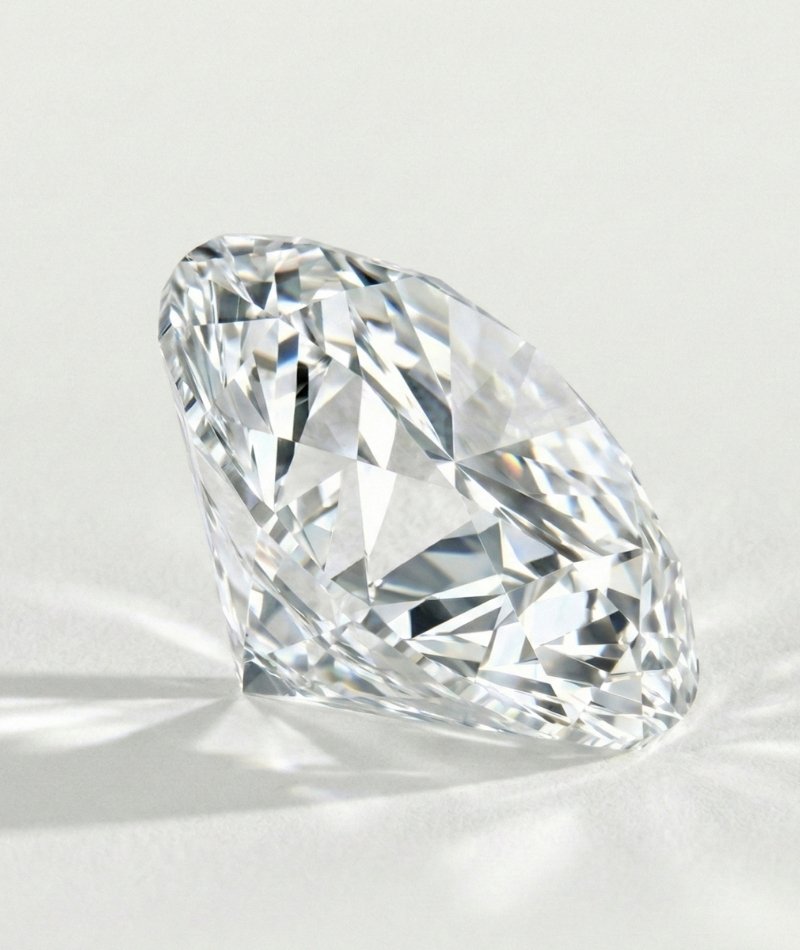
Diamond Shape
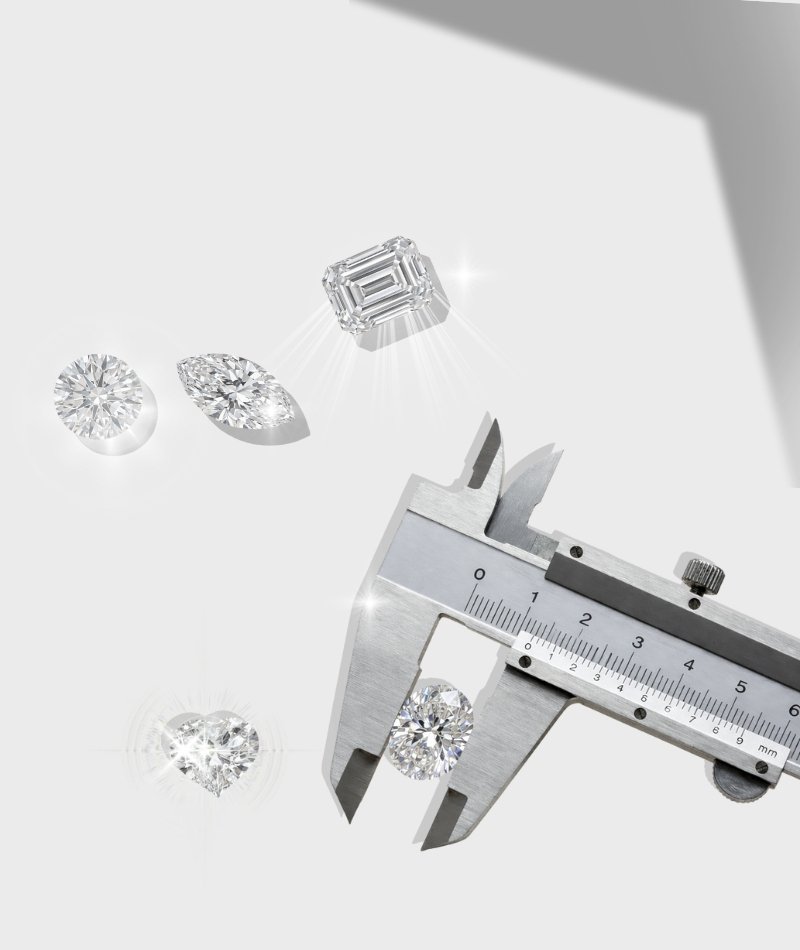
Shape is simply the outline you see (like a Circle, Oval, or Square), while Cut is how the facets are arranged to reflect light. The Round Brilliant is the most popular, but any other shape.
Why Fancy Shapes Cost Less. Here is the unique detail that saves you money: It comes down to waste. A rough diamond from the earth looks like a lumpy pyramid. To cut a perfect circle (Round Brilliant), the cutter has to grind away nearly 50% of the original stone. Fancy shapes fit the natural rough crystal better, so less diamond is wasted during cutting. Because the cutter keeps more of the stone, you pay a lower price per carat.
Choosing the Right Look If you want the biggest look for your money, choose an elongated shape like an Oval, Pear, or Marquise. Because they stretch out over the finger, they look larger than round diamonds of the same weight. Just be careful with sharp corners (like on a Princess or Pear cut); they can chip if they hit something hard, so make sure your ring setting protects those tips

Think of a diamond shape as the stone’s personality. In simple terms, it is the actual silhouette or outline you see when you look down at the diamond.
While people often confuse Shape with Cut, they are different. “Cut” refers to how the diamond’s facets interact with light, while “Shape” is the literal geometry of the stone (Round, Square, Pear, etc.).
Choosing the shape is usually the very first step in your journey because it sets the entire vibe of the ring. While Round diamonds are the classic go-to, “Fancy Shapes” (everything else) offer unique flair, often for a better price.
While “diamond shape” and “diamond cut” are often used interchangeably, they refer to two distinctly different aspects of a stone. The diamond shape is simply the outline or external silhouette you see when viewing the diamond from above, whether it is a Round, Oval, or Princess. In contrast, diamond cut is a technical assessment of how effectively the diamond’s facets interact with light to create brilliance, fire, and scintillation.
The quality of a diamond’s cut is determined by the precision of its craftsmanship, specifically its proportions, symmetry, and polish. While the shape is purely the diamond’s physical form and aesthetic design, the cut quality is the engine behind its visual performance. A well-cut diamond will act like a mirror, reflecting light back to the eye, whereas a poorly cut diamond will allow light to escape, leaving the stone looking dull regardless of its shape.
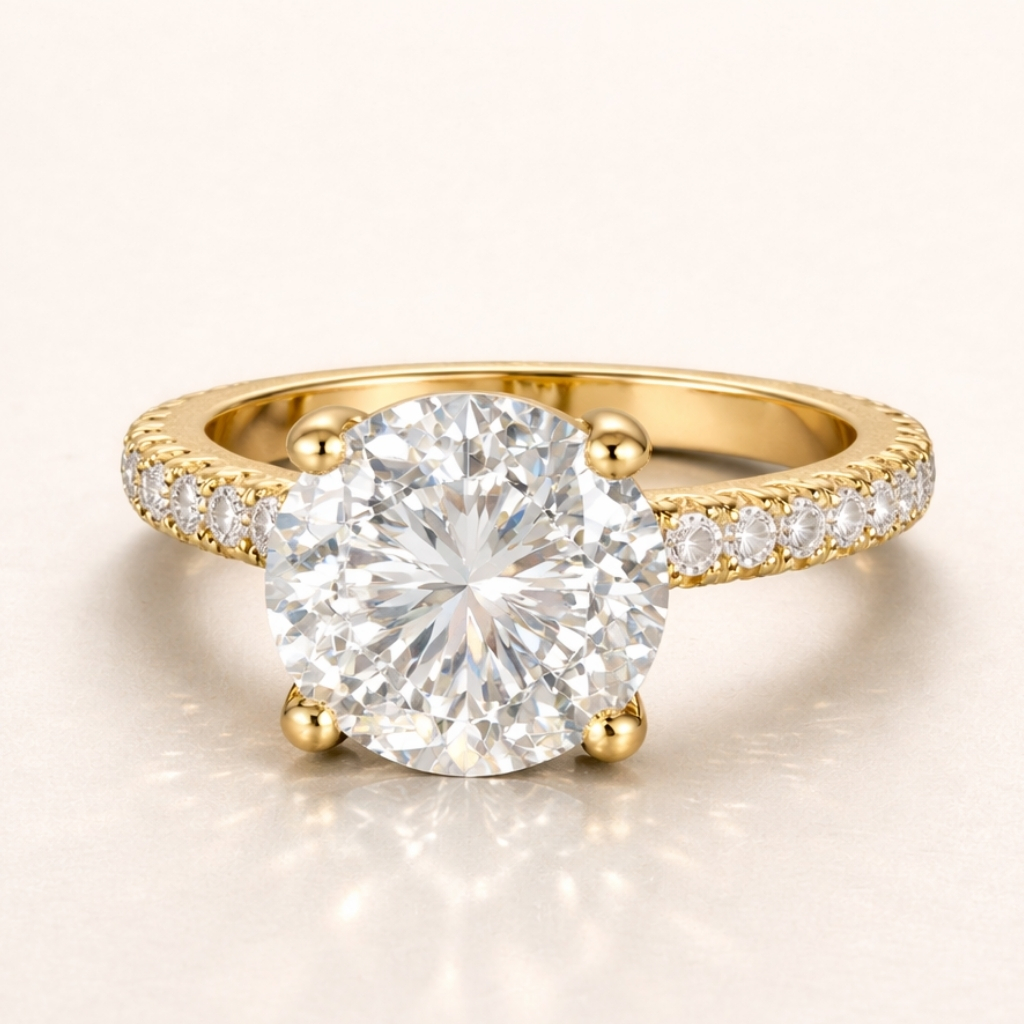
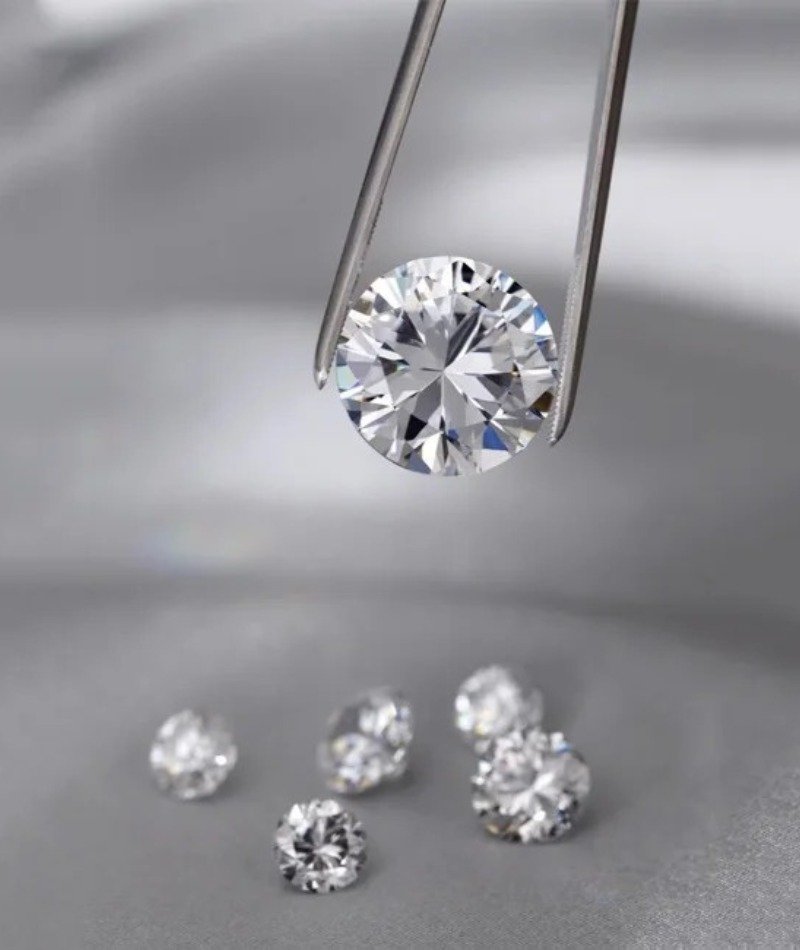
21st-Century Digital Mastery In the 2025-2026 landscape, the artistry of Morse has been amplified by the digital age. Modern round brilliant diamonds are now fashioned using high-tech automatic cutting equipment and AI-powered 3D internal mapping. These systems identify the most efficient path for light before the first cut is made, ensuring that every stone achieves “Triple Excellent” standards for symmetry and brilliance. By combining Morse’s historical proportions with laser-guided accuracy, today’s round diamonds offer a level of luminosity that was once considered impossible.
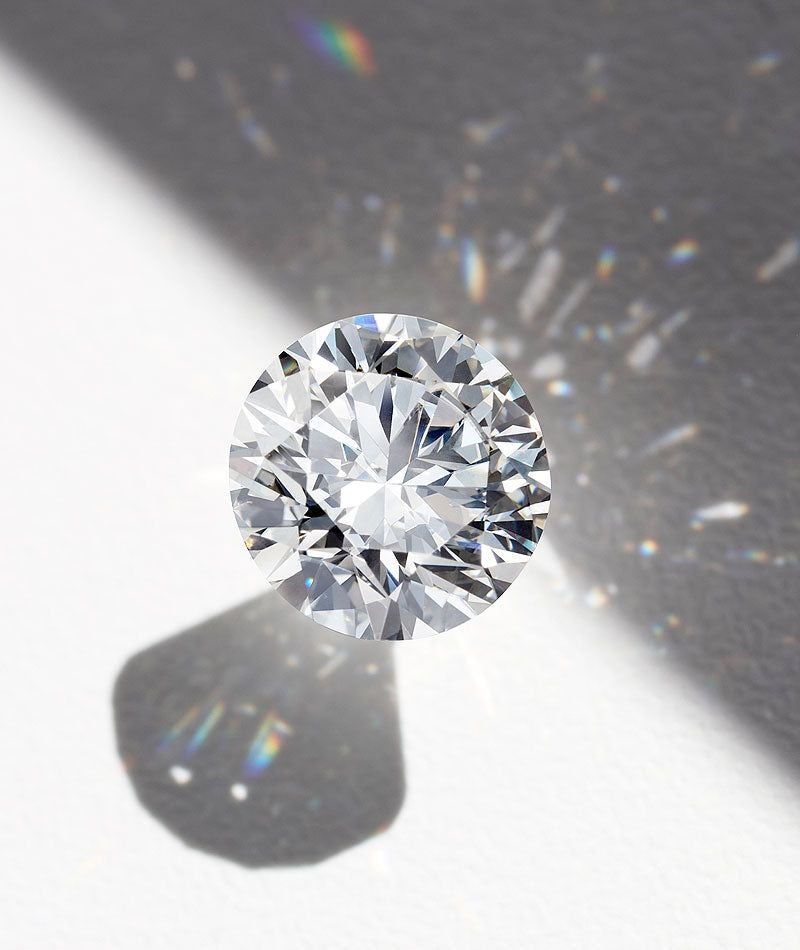
The round brilliant cut is the most iconic and sought-after diamond shape, representing over 75% of diamonds sold worldwide. Engineered for maximum light performance, this classic shape features a precise arrangement of 57 or 58 facets. Its 360-degree symmetry ensures it outshines every other diamond shape. It is the only shape with a standardized GIA cut grade, making it easier for buyers to verify quality and light return. This classic shape complements virtually any hand size and ring setting style, from solitaire to halo designs.
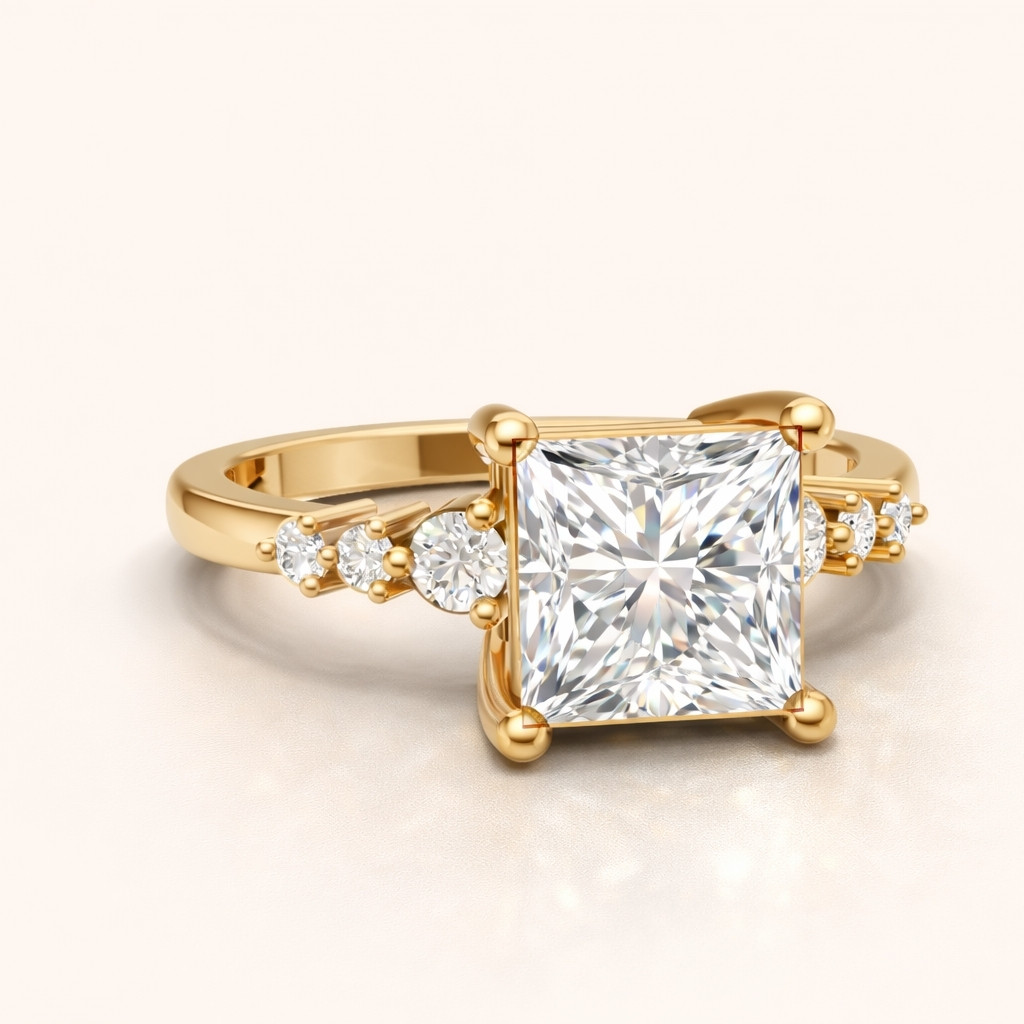
Princess shape diamonds are one of the most popular fancy diamond cuts, known for their sharp square outline and exceptional brilliance. This modern shape offers the sparkle of a round diamond with a clean, contemporary style. Princess cut diamonds are a top choice for engagement rings, especially for those who love bold shine with a trendy look.
With their pointed corners, princess diamonds are best paired with protective settings to enhance durability. Combining modern elegance, strong fire, and timeless appeal, princess shape diamonds remain a favorite for classic and modern jewelry designs
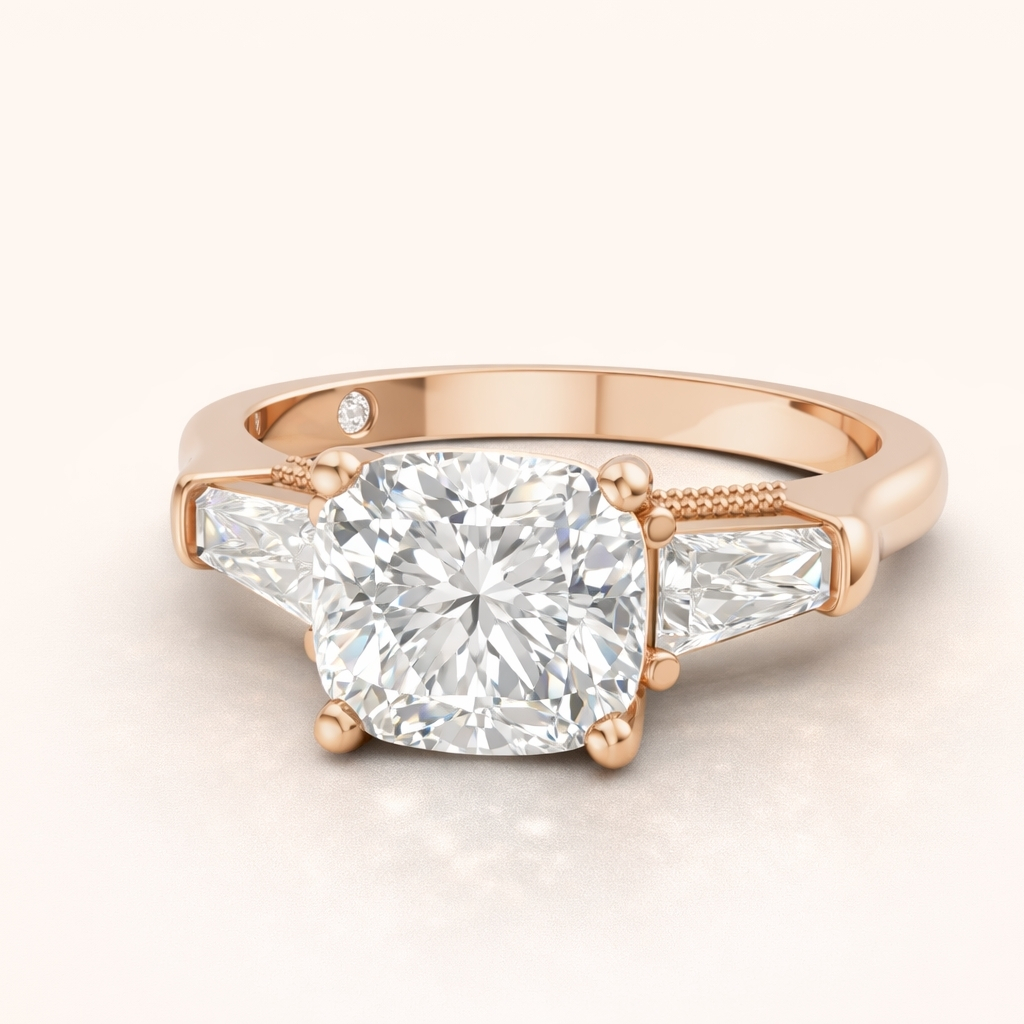
Cushion shape diamonds are a timeless and romantic diamond choice, known for their soft rounded corners and brilliant sparkle. With a square or slightly rectangular outline, this shape offers a beautiful blend of vintage charm and modern elegance. Its pillow-like appearance gives cushion diamonds a unique and graceful look, making them especially popular for engagement rings and classic jewelry designs.
Cushion diamonds are available in different facet styles, creating either a bold “chunky” brilliance or a delicate “crushed ice” shimmer. This variety allows buyers to select a cushion diamond that matches their personal style, whether they prefer traditional sparkle or a more modern glow.
Dating back nearly 200 years, cushion diamonds have a rich history and remain a favorite for those seeking a diamond shape with character, fire, and timeless beauty. Their elegant silhouette and radiant brilliance make cushion shape diamonds a stunning choice for both vintage-inspired and contemporary settings.
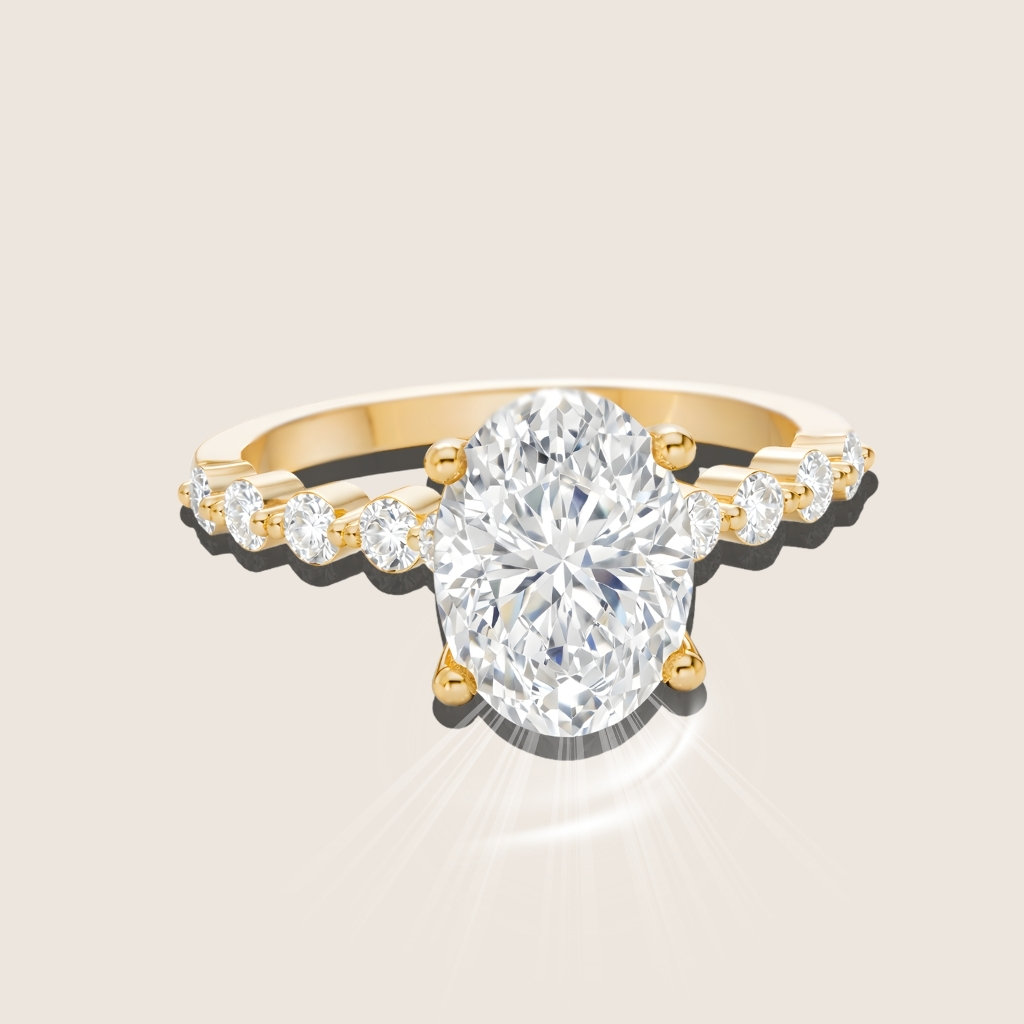
Oval diamonds are a stunning and popular diamond shape that blends timeless elegance with modern sophistication. With their elongated silhouette and brilliant faceting, oval diamonds offer exceptional sparkle while creating a flattering visual impact. Their unique form makes them a standout choice for engagement rings and fine jewelry.
One of the biggest attractions of oval diamonds is their ability to maximize visual size the stretched shape often makes the diamond appear larger than other shapes of the same carat weight due to increased surface area. This “larger-look effect” gives excellent value and makes oval diamonds particularly appealing for couples who want a bold look without increasing carat cost.
Like other brilliant cuts, high-quality oval diamonds reflect light beautifully with excellent fire and scintillation, resulting in dazzling sparkle from every angle. While some oval diamonds may display a subtle bow-tie effect (a faint dark area in the center), this can be minimized with proper cut proportions and craftsmanship.

Emerald shape diamonds are admired for their sophisticated step-cut facets and clean rectangular design. Unlike brilliant cuts, emerald diamonds create a stunning “hall-of-mirrors” effect, offering a smooth and elegant sparkle. This shape is ideal for those who prefer understated luxury and classic style.
Emerald cut diamonds highlight clarity and elegance, making them a popular choice for vintage-inspired and modern engagement rings. With their timeless silhouette, emerald shape diamonds represent refined beauty and grace.
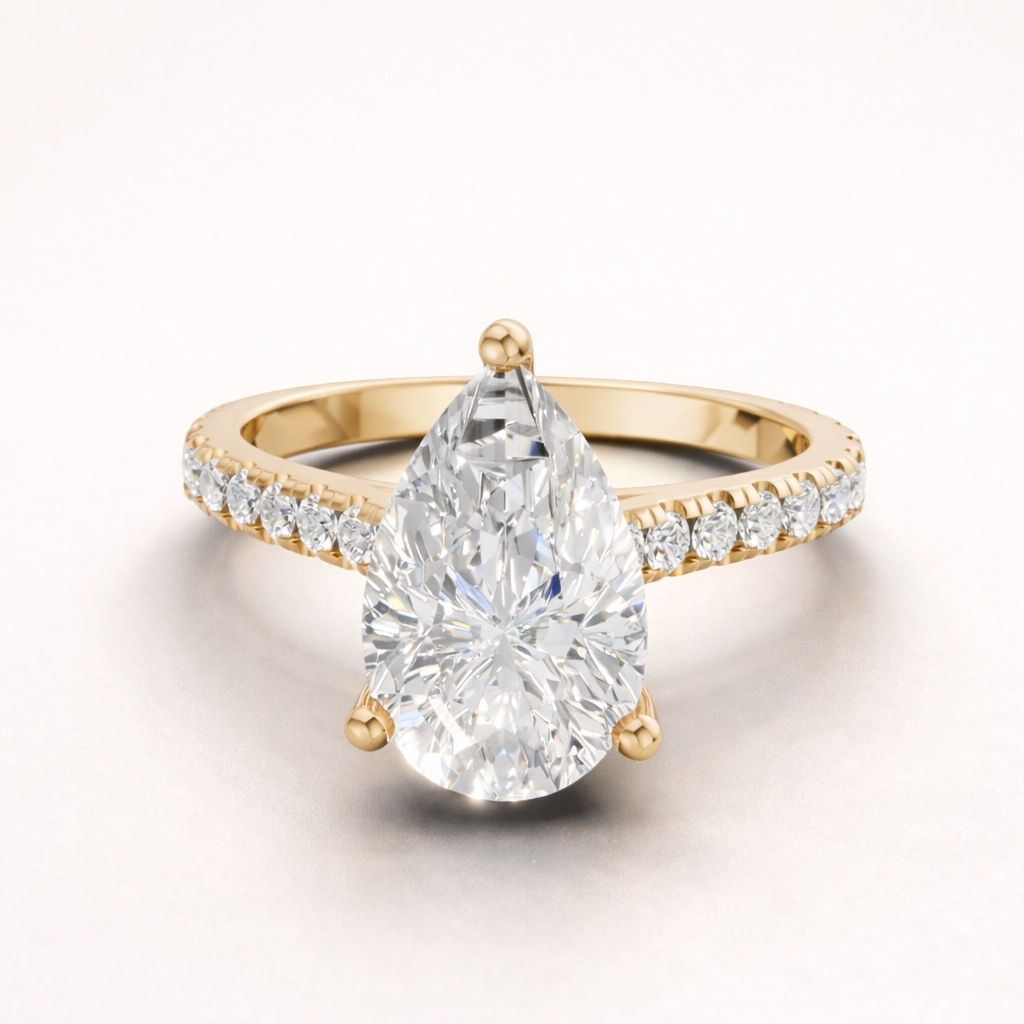
Pear shape diamonds, also called teardrop diamonds, feature a unique blend of round and marquise cuts. Their elegant tapered point creates a graceful silhouette that flatters the finger and adds a distinctive touch to any ring design. Pear diamonds are popular for engagement rings because of their romantic and eye-catching style.
This shape often appears larger per carat due to its elongated form, making it a beautiful option for those seeking both brilliance and visual impact. Pear shape diamonds offer a perfect mix of uniqueness and timeless beauty.
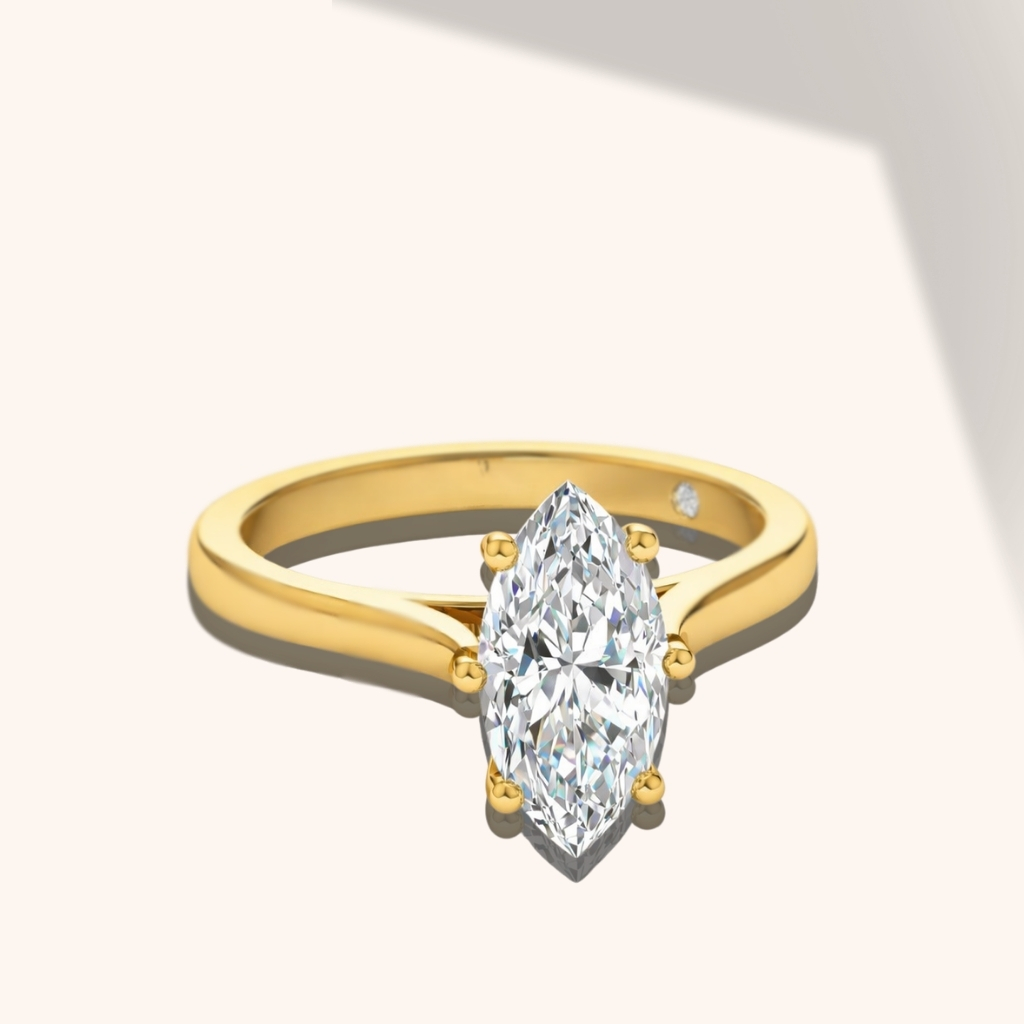
Marquise shape diamonds are known for their long, narrow outline and pointed ends, creating a bold and elegant appearance. This elongated shape maximizes surface area, making the diamond look larger than many other cuts of the same carat weight. Marquise diamonds are also flattering on the hand, giving fingers a longer, slimmer look.
With brilliant faceting and dramatic style, marquise shape diamonds are a striking choice for engagement rings and statement jewelry pieces. Protective settings are recommended to secure the pointed tips.
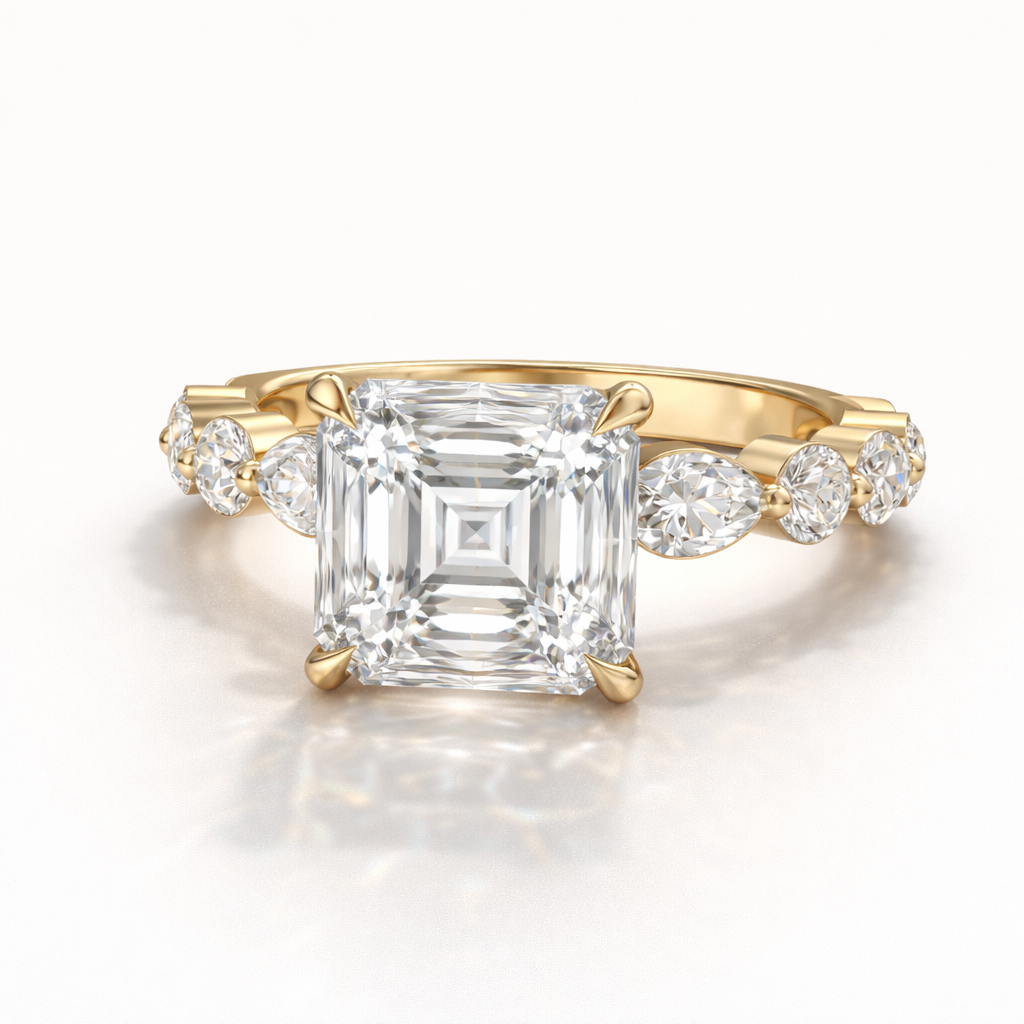
Asscher shape diamonds are known for their distinctive square outline and step-cut facets, similar to emerald cuts but with a deeper, more dramatic brilliance. This vintage-inspired shape creates a captivating “hall-of-mirrors” effect and offers a bold, geometric appearance.
Asscher diamonds are especially popular in antique-style engagement rings and art deco designs. With their unique structure and timeless sophistication, Asscher cuts are ideal for those who love classic beauty with character.
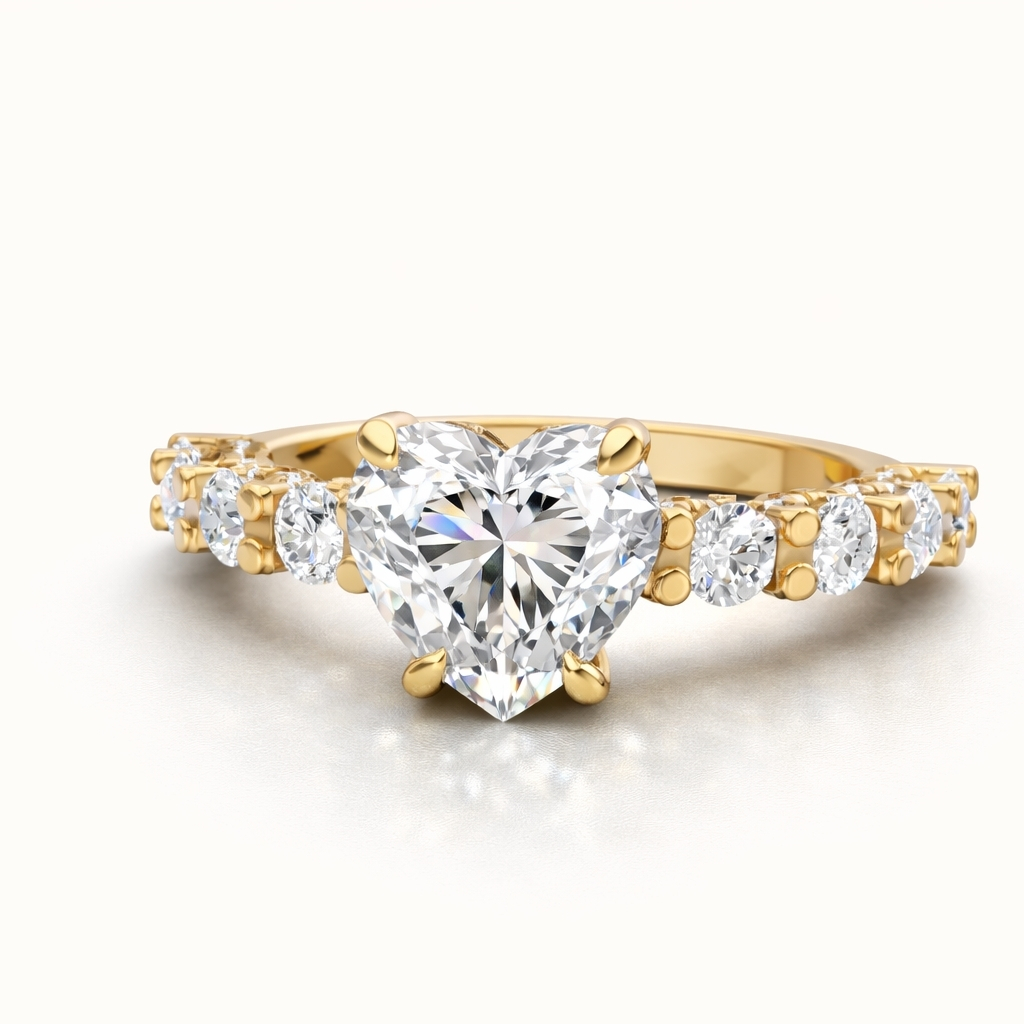
Heart shape diamonds are a romantic and symbolic diamond choice, representing love and devotion. With their unique heart-shaped outline and brilliant faceting, these diamonds offer both sparkle and emotional meaning.
Heart diamonds are a standout option for engagement rings, pendants, and sentimental jewelry pieces. Choosing a well-cut heart shape ensures balanced symmetry and maximum brilliance, making it a truly special and eye-catching diamond shape.
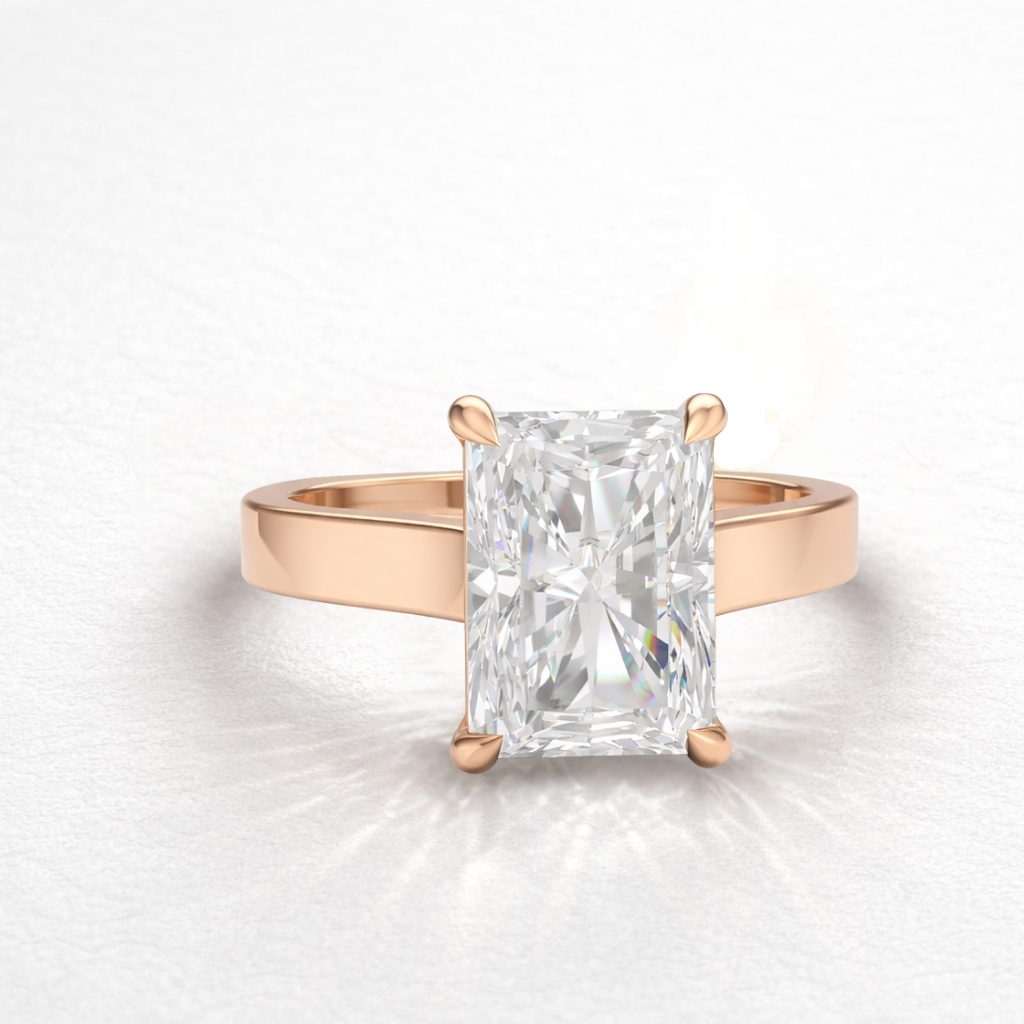
Radiant shape diamonds combine the elegance of an emerald cut with the sparkle of a brilliant cut. Featuring trimmed corners and a rectangular or square outline, radiant diamonds offer intense fire and brilliance. This versatile shape works beautifully in both modern and classic ring settings.
Radiant cut diamonds are perfect for those who want maximum sparkle with a unique, contemporary shape. Their durability and bold shine make them a popular engagement ring option.
If you put a 1-carat Round diamond next to a 1-carat Oval, Marquise, or Pear, the fancy shapes will look bigger. They carry their weight on the surface, whereas Round diamonds hide a lot of weight in depth. If “looking big” is your goal, skip the Round.
For non-round diamonds, the ratio matters. A ratio of 1.30 to 1.50 is the “sweet spot” for Ovals and Emeralds. Anything lower looks chubby; anything higher looks too skinny.
Fancy shapes (especially Radiants and Cushions) tend to hold onto color more than Round diamonds. If you are buying a fancy shape, you might need to budget for a higher Color grade (H or better) to ensure it looks white.
You can look at certificates all day, but shape is emotional. A “technically perfect” diamond might not speak to you as much as a slightly imperfect Cushion cut that just has that special something. Buy what you love looking at.
Diamond shape refers to the outline or silhouette of the diamond when viewed from the top. It defines the overall look and personality of the stone, such as round, square, or elongated.
No. Shape is the diamond’s physical form, while cut describes how well the diamond is crafted to reflect light. A diamond can have a beautiful shape, but still look dull if the cut quality is poor.
The shape sets the entire style of the ring. It influences how large the diamond looks, how it sparkles, and how it feels on the hand.
Fancy shapes include all diamond shapes except round, such as oval, pear, cushion, emerald, and princess. These shapes often offer a more unique look and can be a better value.
Round brilliant diamonds typically offer the highest level of sparkle because they are designed to maximize light reflection.
Elongated shapes like oval, pear, marquise, and emerald tend to look bigger than round diamonds of the same carat weight.
The round brilliant remains the most popular due to its classic look and exceptional brilliance.
In most cases, yes. Fancy shapes often cost less per carat than round diamonds because less rough diamond is wasted during cutting.
Oval, pear, marquise, and emerald shapes create a lengthening effect, making fingers appear slimmer and longer.
Princess cuts have sharp corners, which can chip if not protected. Choose a setting with strong corner prongs for durability.
Cushion diamonds have rounded corners and larger facets, creating a romantic, vintage-style sparkle often described as “crushed ice.”
Most oval diamonds show a bow-tie effect, a shadow across the center. A well-cut oval will minimize this effect.
Emerald cuts have a large open table, making inclusions easier to see. Higher clarity grades are recommended for this shape.
The pointed tip of a pear shape can be delicate. A protective setting helps prevent chipping.
Radiant cuts combine the shape of an emerald cut with the sparkle of a brilliant cut, offering both elegance and brilliance.
Yes. Shape impacts price due to cutting loss, demand, and rarity. Round diamonds are usually the most expensive per carat.
For elongated shapes like oval and emerald, a ratio between 1.30 and 1.50 is often considered visually balanced.
Yes. Fancy shapes can retain color in corners and edges, so choosing a slightly higher color grade can help maintain a bright appearance.
Cushion and emerald cuts are popular for vintage and antique-inspired designs.
Start with what you love visually. Shape is a personal and emotional choice, so trust your taste as much as the technical details
Yes, shapes with pointed corners like pear, marquise, and princess cuts should be set with protective prongs or halos to prevent chipping.
most fancy shape diamonds (oval, cushion, pear, emerald, etc.) typically cost less than round diamonds of similar quality.
No products in the cart.
No products in the cart.
Turn Your Vision into Reality with Our Free 3D Customization Service.*